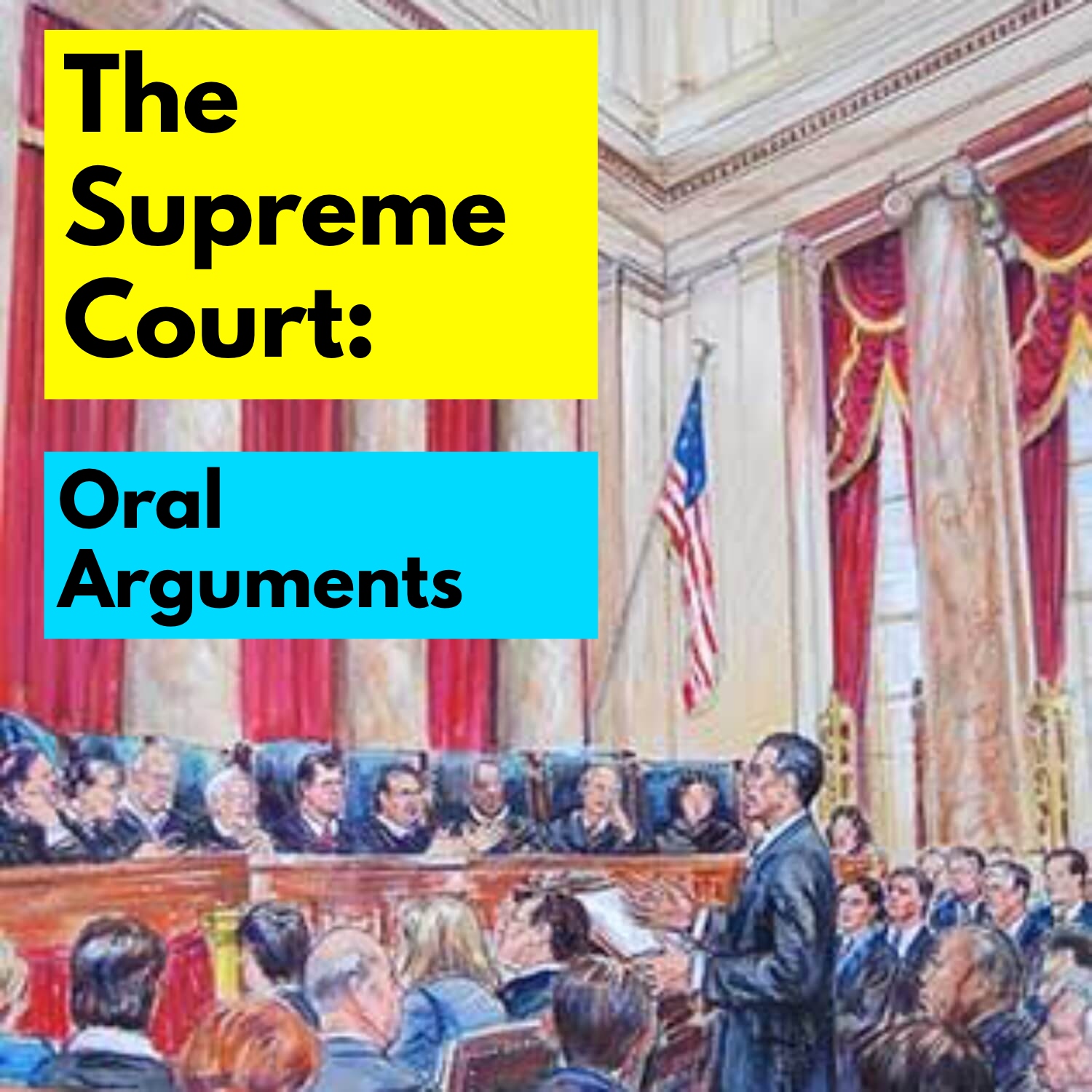
Salazar v. Paramount Global
Podcast: The Supreme Court: Oral ArgumentsPublished On: Wed Oct 14 2026
Description: Salazar v. Paramount Global | 10/14/26 | Docket #: 25-459 25-459 SALAZAR V. PARAMOUNT GLOBAL DECISION BELOW: 133 F.4th 642 CERT. GRANTED 1/26/2026 QUESTION PRESENTED: The Video Privacy Protection Act (“ VPPA ”) contains a one-sentence liability clause. It prohibits a “ video tape service provider ” from “ knowingly disclos[ing], to any person, personally identifiable information concerning any consumer of such provider. ” 18 U.S.C. § 2710 (b)( 1 ). The statute defines “ consumer ” broadly to include a “ subscriber of goods or services from a video tape service provider. ” Id. § 2710 (a)( 1 ). It defines “ personally identifiable information ” to include information that “ identifies a person as having requested or obtained specific video materials or services from a video tape service provider. ” Id. § 2710 (a)( 3 ). And it defines “ video tape service provider ” to include those in the business of delivering audiovisual materials. Id . § 2710 (a)( 4 ). Paramount is a “ video tape service provider. ” Both courts below assumed as much. Michael Salazar subscribed to Paramount ’ s online newsletter, which he used to view videos. Paramount then disclosed Mr. Salazar ’ s Facebook ID and his video-watching history to Facebook. That information counts as “ personally identifiable information. ” Again, both courts below assumed as much. The question here is whether the phrase “ goods or services from a video tape service provider, ” as used in the VPPA ’ s definition of “ consumer, ” refers to all of a video tape service provider ’ s goods or services or only to its audiovisual goods or services. LOWER COURT CASE NUMBER: 23-5748
The note was deleted
The note was saved
Your message was sent