076 – What Would My Life Be Like In Korea?
Podcast: Who Am I Really?Published On: Sat Aug 07 2021
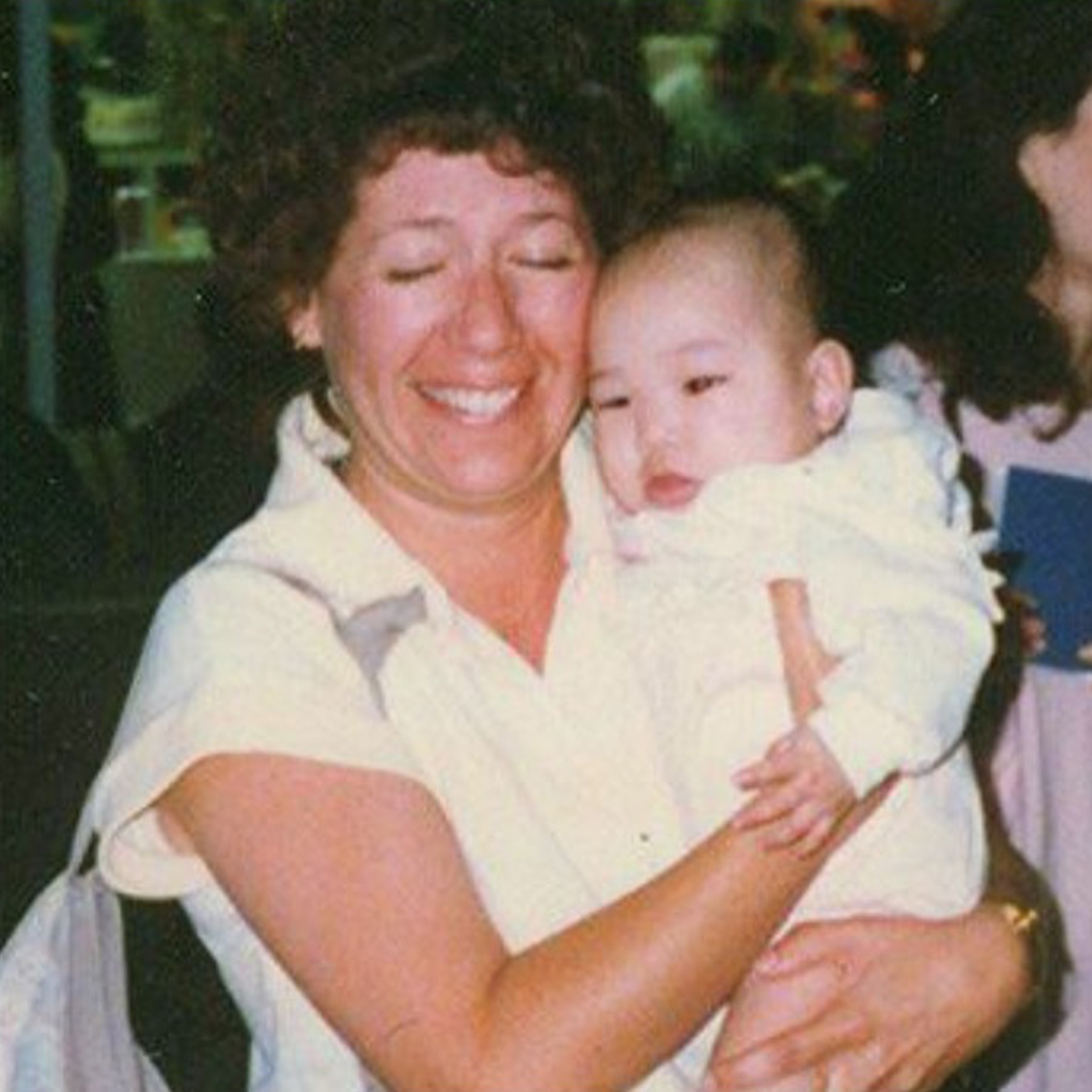
Description: Kim is a Korean born adoptee raised in an all-white community. She shared how she always pushed down her desire to search for her birth mother until the recent political climate brought out the true colors of her adoptive mother. I’ve heard stories of Asian adoptees having trouble making connections overseas, but Kim’s connection was quick and easy. But building a relationship through a translator, secrecy, and secondary rejection have left Kim with a broken heart.Read Full TranscriptKim: 00:06 And we look very, very much like really? That was very emotional for me because growing up in a place where there weren’t a lot of other Asian people, I had no idea what I was going to look like when I grew up and now to see some existing in the world, he looks nearly exactly like me is wild.Voices: 00:35 Who am I? Am I am I? Who am I? Who am I? Who am I?New Speaker: 00:47 This is who am I really a podcast about adoptees that have located and connected with their biological family members. I’m Damon Davis, and on today’s show is Kim. She called me from right here in silver spring, Maryland. Kim is a Korean born adoptee, raised in an all white community. She shared how she always pushed down her desire to search for her birth mother until the recent political climate brought out the true colors of her adoptive mother. I’ve heard stories of Asian adoptees having trouble making connections overseas, but Kim’s connection was quick and easy. But building a relationship through a translator, secrecy and secondary rejection have left Kim with a broken heart. This is Kim’s journey.Damon: 01:36 Kim was adopted from South Korea when she was five months old.Kim: 01:40 I came on a plane to New York City with a military personnel who is carrying me. And so that day, um, my family celebrates as an airplane day I think and that I commentator his Gotcha day and so really celebrate that as like when I joined the family are like our family became complete.Damon: 02:07 Kim grew up in Toms River, New Jersey with her brother, nonbiological also adopted from South Korea. Kim is from Incheon and was adopted through Spence Chapin based in New York. Her brother was born in Seoul and he was adopted through Holt International. Kim said there were very few other Asian people in New Jersey and even fewer adoptees that she knew of.Kim: 02:30 My adoptive parents did put a lot of effort into trying to educate me, I guess about being adopted and they did make an effort to try and connect me with other adoptees through support groups or agencies sponsored camp. It will say like, I am grateful that I was adopted through Sepnce Chapin because they do have a great, a close adoption services department through their agency, some of the people that I’ve worked with that are adoptees themselves, so that is a great, uh, resource, the barrier for me to access information, especially regarding my birth family and like my files Spence Chapin made a very easy and talking to my brother apparently when he tried to find out information about his birth family, it was a less straightforward.Damon: 03:31 Yeah, I’ve, I am not an international adoptee, but in the little experience that I’ve had in speaking with international adoptees, it’s been my understanding that the process can be incredibly challenging to try to search anyway just because, you know, there was this churning market for, you know, the, forgive my words, the removal of babies, the placement of babies and I’m just, there was no need for any kind of documentation. We were moving these babies along and it wasn’t seen as an a time to, in any way retain somebody’s identity. You know, there was really just a market for moving children into their next family. So That’s interesting that they made your records so openly available. And that’s cool.Kim: 04:21 Yeah. So, you know, it kind of gave me some I comfort in that I feel like my birth mother perhaps wasn’t afraid to find me or like search for me later in life because she did leave her real name and she did provide my actual birthday, which had a lot of adoptees don’t have birthdays. They have to be there, the date that they were released from the orphanage or foster care but don’t really have an idea of when they were born. And like you were saying, you know, there was such a market and people forget that adoption is a business.Damon: 05:08 It can be very expensive to adopt internationally. And Kim commented that she wondered where these exorbitant fees are going and who’s profiting. So growing up it was pretty obvious that Kim was adopted. She talks a little bit about the comments she heard and her first indication that she was truly different than other children.Kim: 05:28 My parents are white. Um, and people would always ask very blunt questions like, did you know you were adopted? Or like when did you know that you were adopted? Like, how does it feel to know that your parents didn’t want you or how much did you cost for your parents to bring you here? Don’t you feel so grateful to them for saving you from Korea? So I...
The note was deleted
The note was saved
Your message was sent